A facelift is not just skin pulled tighter. It is a carefully planned series of maneuvers on deeper facial structures that restores shape, tension, and harmony. In Fort Myers, patients have a few excellent options for facelift surgery, and the difference between a good result and a great one often comes down to details most people never see on a social media before-and-after. The choice of surgeon matters, of course, yet so does candid diagnosis, timing, skin biology, and the precision of aftercare. If you are comparing a Facelift Surgeon Fort Myers listing or searching for a facelift surgeon near me, understanding what truly drives outcomes will serve you better than any single five-star review.
The anatomy of a result you can live in
A natural facelift respects the scaffolding under the skin, usually the SMAS layer and the retaining ligaments of the face. The best facelift surgeon in Fort Myers will not only reposition this deeper layer, but will tailor the vector of lift to your unique pattern of descent. Jowl heaviness, marionette shadows, laxity along the jawline, neck banding, and cheek deflation each call for slightly different strategies. A patient in her late 40s with mild jowling after weight loss may benefit from a limited incision and a short-scar approach. A man in his 60s with heavy neck laxity and platysmal banding needs a more robust neck component. The artistry lies in knowing when less is more and when it is not enough.
Good surgeons think in three dimensions. Cheek volume often migrates downward, which flattens the midface. If you only pull upward without restoring cheek projection, you can sharpen the jawline while the face still reads tired. Subtle structural fat grafting or deep-plane repositioning can restore those youthful ogee curves. The aim is to reestablish light and shadow, not create a windblown look.

Fort Myers context, climate, and skin behavior
Southwest Florida warmth invites year-round outdoor life. That is great for the spirit, tough on collagen. Sun exposure accelerates fine lines, pigment irregularity, and elasticity loss. Patients seeking Facelift Surgery in Fort Myers often present with earlier skin damage than their northern peers. A superior facelift surgeon anticipates what the skin will do when redraped over its new foundation. If the skin is crepey, tightening deeper layers alone does not erase the texture issues. Adjuncts like a conservative CO2 laser pass around the mouth, or medical-grade skincare and retinoids in the months after, can bridge the gap between structural lift and surface refinement.
Humidity helps hydration, but heat can worsen swelling. A good postoperative plan accounts for this, from cooling protocols to staged activity resumption. I have seen patients who traveled in too soon after surgery and underestimated Florida’s climate, only to prolong swelling by pushing their activity in the first two weeks. Gentle pacing pays off.
What to look for when evaluating a Facelift Surgeon Fort Myers
You want a surgeon who treats your face like a custom project. Credentials matter, yet case volume and case quality matter more. Board certification in plastic surgery or facial plastic surgery signals rigorous training, but technical fluency comes from doing many facelifts, not just occasionally. A busy surgeon will have consistent photographic documentation, preferably with standardized lighting, angles, and neutral expressions.
You cannot read an operating note, so you rely on the surgeon’s pattern. Ask how they handle the SMAS. Do they prefer plication, imbrication, or a deep-plane strategy, and why for your face? How often do they address the neck? Is platysmaplasty included when banding is present? How do they minimize the risk of a pixie ear or visible tension along the scar? These questions reveal philosophy and depth of planning.
In Fort Myers, practices like Farahmand Plastic Surgery are known for comprehensive facial work. Patients often mention Dr Audrey Farahmand for her attention to proportion and feminine detail, though that same eye serves male patients well. Whether you choose Dr Audrey Farahmand or another Facelift Surgeon, try to see a range of ages and skin types in their portfolio. A surgeon who shows results across the spectrum likely has a broader toolkit and a steadier hand with intraoperative judgment.
The consult that predicts the outcome
Every great facelift begins with a candid consult. Expect a careful conversation about your priorities and what bothers you most in the mirror. Surgeons who do this well will map those concerns to anatomic causes. If you say the cheeks feel flat and you see lines around the mouth, a good surgeon will talk about midface descent, likely jowl contribution, and perioral texture, then show how each can be addressed. That bridge from symptom to structure builds trust.
Measurements matter. The best facelift surgery in Fort Myers usually involves a preoperative photo session with several angles, plus palpation of skin thickness and mobility. Do not be surprised if your surgeon checks your biting pattern or asks about grinders’ habits. Severe bruxism can bulk the masseter muscle, a factor in jawline shape that affects the perceived lift. This is where lived experience shows. I once saw a patient who had two prior neck lifts elsewhere and still hated her neck bands. On exam, her bands disappeared when she jutted her jaw forward, revealing their dynamic nature. Modifying the platysmal repair and counseling her on posture and muscle training turned out to be the missing piece.
Technique choices, translated into patient benefits
There is no single best technique for everyone. Yet certain choices correlate with durable, natural results.
Deep-plane or extended SMAS lifts can release and reposition the cheek and jowl effectively, especially in patients with heavier tissues or pronounced midface descent. These approaches can avoid the over-tight surface look since tension is in the deep layer. Risks include more potential for bruising and temporary nerve changes, so experience counts.
SMAS plication or imbrication works well in earlier laxity. It is quicker, generally less bruising, and still sharpens the jawline. It can be paired with small-volume fat grafting to the cheeks and nasolabial areas for shape.
The neck deserves respect. If you have platysmal banding, an anterior platysmaplasty through a small incision under the chin allows direct repair. Patients love what this does for the cervicomental angle when done well. However, over-resecting subplatysmal fat or aggressive work around the digastric muscles can trade contour for tightness that looks forced. A measured approach maintains a youthful slope rather than a harsh shelf.
Incisions set the stage for the scar. Around the ear, placement should track natural creases and hairline breaks. Thicker, oily skin behind the ear can sometimes widen scars if tension is mismanaged. Good surgeons distribute tension deep, not along the skin edges, and they tape or use tissue glue to quiet shear forces during early healing. Patients with darker skin tones or a history of raised scars should discuss their risk of hypertrophy and what the plan is to prevent it, from silicone taping to steroid microinjections if needed.
The role of anesthesia, and why it matters more than you think
Some Fort Myers centers offer facelift surgery with local anesthesia and light sedation in select candidates. Others prefer general anesthesia. Both can be appropriate. The key is control. You want a team that maintains steady blood pressure to reduce bleeding, uses warming measures to prevent chills, and pays attention to anti-nausea strategies. Nausea leads to retching, which spikes pressure and can create a bleed into the facelift pocket. After hundreds of cases, I would take meticulous anesthesia over an exotic technique any day. It keeps the field dry, shortens operative time, and lowers the chance of a postoperative hematoma.
Recovery with intention
Swelling and bruising track with tissue handling, patient biology, and blood pressure control. Most healthy patients see themselves socially ready in two to three weeks. Workout clearance typically starts after three weeks for light cardio and four to six weeks for heavy lifting. Sun management is critical in Fort Myers. Ultraviolet exposure can hyperpigment new scars, so a wide-brimmed hat, sunscreen with zinc oxide, and shade-seeking are not negotiable for the first two to three months.
A minor touch that helps: lymphatic massage by a therapist trained in postoperative care, starting around day 7 to 10 if your surgeon approves. I have watched swelling settle a week earlier in patients who commit to two to three sessions. Equally important, salt intake. Travel and takeout meals are salt bombs. Reduce sodium for the first two weeks and you will see the difference along the jawline.
Realistic longevity, not miracles
How long does a facelift last? The honest answer is that the clock keeps moving, and tissues continue to age. A well-executed facelift can buy you eight to twelve years of improved contour. Sun habits, weight stability, smoking history, and genetics shift that range. The result tends to age with you, so you will look like a refreshed version of your future self rather than snapping back to square one. Patients who maintain stable weight and adopt consistent skincare often delay any revision for a decade or more.
Choosing among good options in Fort Myers
If you are scanning options for a Facelift Surgeon Fort Myers, you will see names come up repeatedly. Farahmand Plastic Surgery is one of the regional practices patients mention, in part because Dr Audrey Farahmand combines facial surgery with a detail-oriented approach borne of many aesthetic cases. Regardless of where you land, vet the basics. Confirm board certification, ask how many facelifts they perform annually, and request to see cases that resemble your anatomy and goals. Pay attention to the entire practice ecosystem, from the anesthetist’s credentials to the follow-up cadence. The best facelift surgery in Fort Myers happens in a system that supports it before, during, and after the day of the procedure.
Common pitfalls and how to avoid them
Patients sometimes fixate on nasolabial folds and corner-of-mouth lines. A facelift improves the frame, especially the jawline and neck, and lifts the midface, which can soften folds, but it will not erase perioral lines caused by skin texture and repetitive motion. Expect your surgeon to propose adjuncts like a mild laser, microneedling with radiofrequency, or precise filler for vertical lip lines. If your surgeon promises complete erasure with a lift alone, be cautious.
Another pitfall is overfilling cheeks before or after the lift. Temporary fillers can look great in photos yet distort the soft tissue mobility needed for a clean vector. Too much filler in the years before a facelift also leads to prolonged swelling. A studied plan often includes dissolving excess filler weeks ahead and rebuilding with structural fat during surgery if needed.
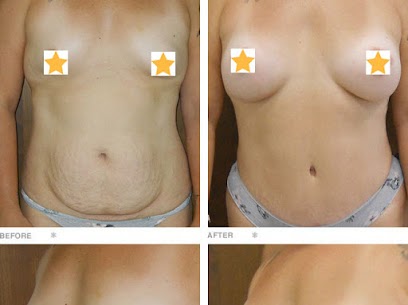
Weight fluctuations change results. If you are in the middle of losing 20 pounds, wait. I have seen patients trim down after a lift and wish their neck were tighter, not because the surgery failed, but because the fat cushion that held the contour was gone. Get within 5 to 10 pounds of your intended weight, hold steady for at least three months, and then operate.
The quiet variables that separate average from excellent
Surgeon judgment shows in the gray zones. How much to elevate skin to gain reach, without devascularizing it. How much to release ligamentous attachments in a deep-plane lift to achieve midface change, without inviting malar edema that lingers. Whether to trim a few millimeters of earlobe skin or leave it alone to prevent traction later. These are not choices you can see on a menu. They come from a surgeon’s experience, pattern recognition, and humility to adapt in the moment.
Photography discipline also signals quality. Look for consistent backgrounds, chin position, lighting, and time intervals. If every after photo is taken at flattering angles alone, or the hair covers the ears on the after shots, you cannot evaluate incision placement. Great surgeons are proud of their scars and are comfortable showing them because they usually heal thin and quiet by three to six months.
Preparing as a patient: what helps you help your surgeon
Your contribution starts a month before surgery. Control blood pressure. Stop nicotine in all forms for at least four weeks. Nicotine constricts blood vessels, starving skin flaps of oxygen and increasing wound problems. If you take aspirin or supplements that thin blood, follow explicit stop top plastic surgeon farahmandplasticsurgery.com dates. Arnica gel and bromelain have mixed evidence. I advise patients to keep it simple: hydration, protein intake, and sleep. A blood count to ensure solid hemoglobin helps, especially if you are borderline anemic.
Set up your space at home. Two pillows to keep your head elevated. A small travel neck pillow can prevent rolling on your side in the first week. Pre-fill prescriptions and put them in a clear box on the nightstand. If you tend to swell easily, buy cooling gel pads. Soft button-up tops avoid tugging over the head. These small wins reduce stress when you are groggy on day one.
Where non-surgical fits, and where it does not
Injectables and devices shine when laxity is early and volume loss is mild. Strategic neuromodulators can calm dynamic bands in the neck temporarily. Energy-based skin tightening can help the lower face in selected candidates. Yet once tissues have fallen past a certain point, devices cannot restore a crisp cervicomental angle. I have seen patients spend the cost of a facelift over three years of serial treatments and still end up needing surgery. If a Facelift Surgeon Fort Myers suggests surgery instead of stacking non-surgical packages, it may be because you will get a better, longer-lasting return on investment.
A brief word on cost and value
Fort Myers pricing varies with surgeon experience, facility type, anesthesia, and procedure extent. Bundled fees that include neck work, fat grafting, and early postoperative care tend to provide clearer value. A rock-bottom quote often means shortcuts in time or staffing. You are not buying a commodity. You are hiring a team’s judgment for a result that sits on your face for a decade. The best value balances surgeon expertise, safety infrastructure, and a plan that reaches your stated goals without overselling.
When to consider revision, and how to time it
Even great facelifts can need a touch-up down the line. Typical reasons include residual neck laxity after weight change, asymmetric scar thickening, or midface settling that benefits from a small lift at year 7 or 8. Early tweaks for minor scar issues are best done in the three to six month window. Larger secondary lifts should wait at least a year to allow full tissue softening and nerve recovery. If you are returning to the same surgeon, they already know the anatomy they created, which makes a revision cleaner. If you are seeing a new Facelift Surgeon, bring operative notes if possible.
Why patients mention certain names
In a market like Fort Myers, reputation builds around consistent outcomes and thoughtful care. A practice such as Farahmand Plastic Surgery has grown a patient base that appreciates nuance, not just a sharp jawline but a refreshed face that does not whisper “surgery.” Patients often say Dr Audrey Farahmand balances technical rigor with a collaborative plan. That combination is what elevates a Facelift Surgeon from good to trusted. Still, you should meet more than one surgeon if you are unsure. You will feel when a surgeon hears you and translates your goals into a credible plan you can understand.
Bringing it all together
What makes a great facelift outcome is not one thing. It is the surgeon’s map of your anatomy, the precise handling of deeper layers, incisions placed where the eye will not chase them, a neck that matches the face, and aftercare that respects biology and climate. In Fort Myers, where sun and lifestyle shape skin behavior, a comprehensive strategy beats a one-size approach. Whether your search leads you to Dr Audrey Farahmand or another highly regarded Facelift Surgeon in Fort Myers, take time to evaluate philosophy, not just photos. Ask to see cases like yours. Confirm that the plan addresses structure, not only skin. And give your body the runway to heal. You will wear the result every day, which is why it should look like you, only more rested, for years to come.
For those beginning the journey, the most helpful step is a thorough consultation that translates your mirror complaints into an anatomic plan. Then commit fully to the recovery process. The reward is a face that matches how you feel on the inside, restored in contour, steady in expression, and at ease under the Florida sun.
Top Facelift Surgeon
Facelift Surgeon in Fort Myers
Best Facelift Surgery
Best Facelift Surgeon in Fort Myers
Facelift Surgery in Fort Myers
Facelift Surgery
Audrey Farahmand
Female Plastic Surgeon
Female Plastic Surgeon